

The concept of phase and out of phase will not be completely new to the faithful of the blog Ricable . We have already dealt with it when we offered you a few tipsWe've already discussed it when we offered you some free tools to optimise the performance of your audio chain. In the case of particularly revealing installations, to understand if they are in phase or in out of phase, the ear can be enough. The difficult thing, however, is "finding" which electronics are in phase and which are not. But let's start from the beginning, that is: what are phase and out of phase, and then go on to explain how you can carry out tests to find the phase in your Hi-Fi system.
Phase and out of phase electronic audio
What does it mean to fine-tune the power supply phase? What supplies energy to our systems is the mains current, so a poor power supply to an electronic system can only lead to its less efficient operation, which will directly affect the sound. Current arrives at 220 V in three contacts in our homes: earth (in the middle, and in this case we don't care), phase and neutral. In reality, an AC-powered appliance will work in one direction or the other, especially if the electronics are not very delicate, such as an oven or a refrigerator. In some cases, however, it is important to insert the plug in the right direction, and putting a Hi-Fi system in phase is just that. This is a problem not only for Hi-Fi, but also for other contexts, such as boilers. In any case, having just one device on out of phase will lead to having the whole system on out of phase. This is no small matter, considering that when the audio chain is all in phase there is greater articulation of the bass range, sharper representation of the scene, better focus and more evident three-dimensionality. Two more premises: most equipment has the phase in the right side; the first phase should be done with the mains distributor and the mains conditioner.
Finding phase and out of phase in the wall socket
To find the phase and out of phase in the wall socket, you will need to take a screwdriver and insert it alternately into the holes on the side of the socket. We recommend that you take all necessary precautions before doing this.
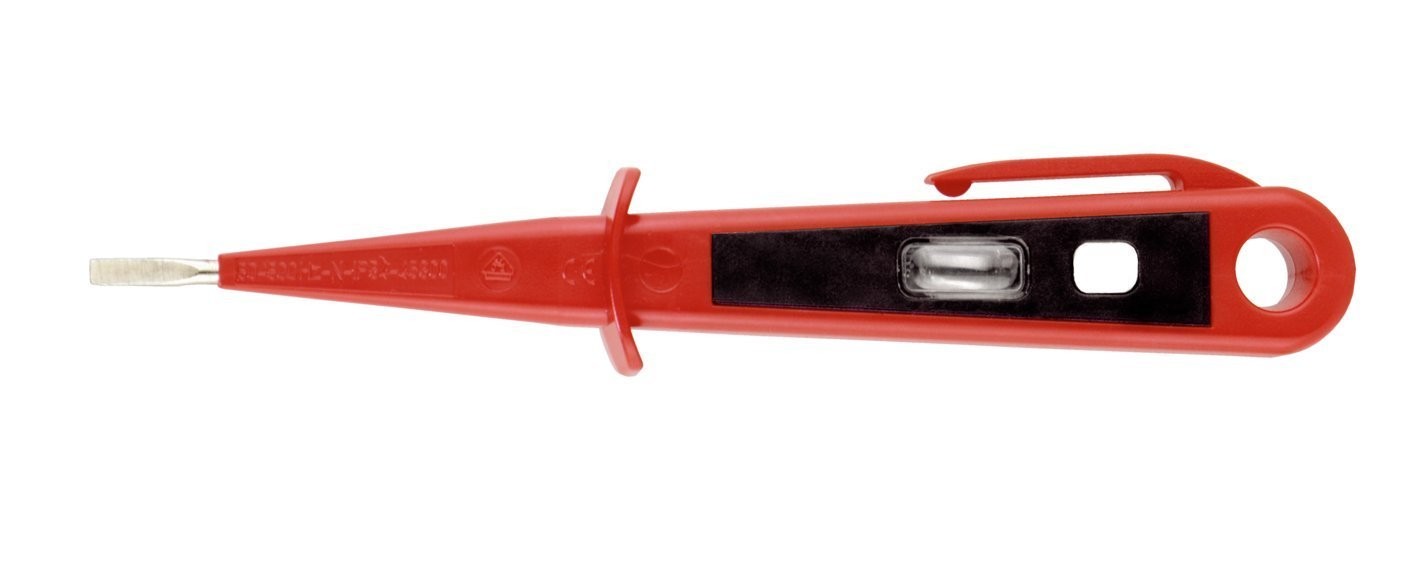
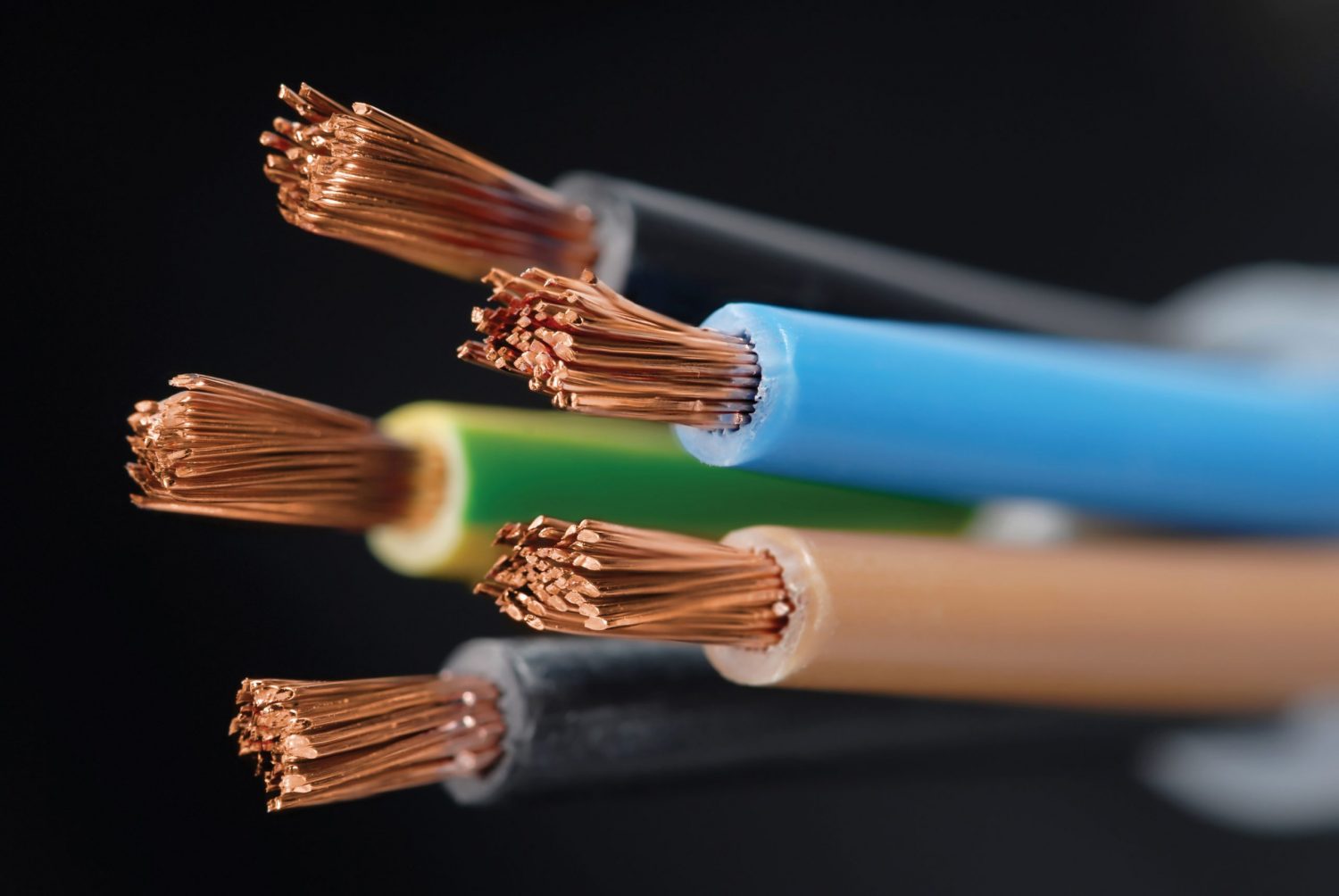
You may also consider asking someone more experienced in this field to do it. When the phase finding screwdriver lights up, it means that we have touched the point through which the phase passes. Another more empirical solution is to open the socket; if our system is fairly modern and built according to Italian standards, we will find three different coloured cables: one blue (neutral), one yellow or green (earth) and a third of varying colour (black, white, brown...) which is precisely the phase cable. You can now connect Netzkabel to the socket so that the two phases correspond.
Searching for phase and out of phase in the Hi-Fi system
How do you find the phase of the amplifier in your Hi-Fi system, for example? A prerequisite for this is that each component must not be connected to the others by any type of cable or connector, so that only the Netzkabel must be plugged in. Once again, we invite you to carry out these operations with the utmost care, especially if your electrical system is not equipped with a circuit breaker (indeed, if your electrical system is not equipped with a circuit breaker, you should avoid working on it at all!).
With the phase finder screwdriver
At this point, we can move on to the first useful method for finding the phase in our electronics. First, get a screwdriver to find the phase, which costs a handful of euros. Connect only the Netzkabel and switch on the device; use rubber insulating shoes so as not to discharge the phase finder reading to the ground, place the phase finder on a point of the chassis (for example a screw or a point not insulated by paint), taking care not to touch anything (otherwise you would discharge everything to the ground and it would be useless to take the measurement). Switch on the phase detector by placing a finger on the upper metal part. Note the brightness of the phase detector. Now you have to turn the plug of Netzkabel and repeat the procedure, to see whether the light intensity is lower or higher than on the other side.
The appliance is in correct phase at the position on the plug where the light intensity of the phase detector is lower. Make a mark on the plug with a felt-tip pen or other marker; the part of the plug just marked is the part that should be connected in phase with the wall socket. This measurement is subjective, as the brightness of the phase finder bulb depends on the body's electrical resistance. For some people it may light up a lot, for others a little, for others still it may not light up at all. In the latter case you should switch to the second method to find the phase in your Hi-Fi system.

With the multimeter
As for the second method, the first thing you need to do is to get an electronic tester (we are talking about a little more than ten euros in costs). Connect the device as described in the first method. Set the tester's measurement value to mV AC. Place the test lead of the negative pole on an uninsulated chassis screw and the test lead of the positive pole on the hot pole of any RCA connector (preferably an output connector) on the rear panel. Read the value on the tester and write it down. Then turn the plug over and repeat the measurement; the lower of the two values will be the correct phase of the unit. Make a mark on the plug with a felt-tip pen or similar; the part of the plug just marked is the part that should be connected to phase in the wall socket. This operation must be repeated on each appliance, provided it is always disconnected from the others.
The role of Hi-Fi power cables
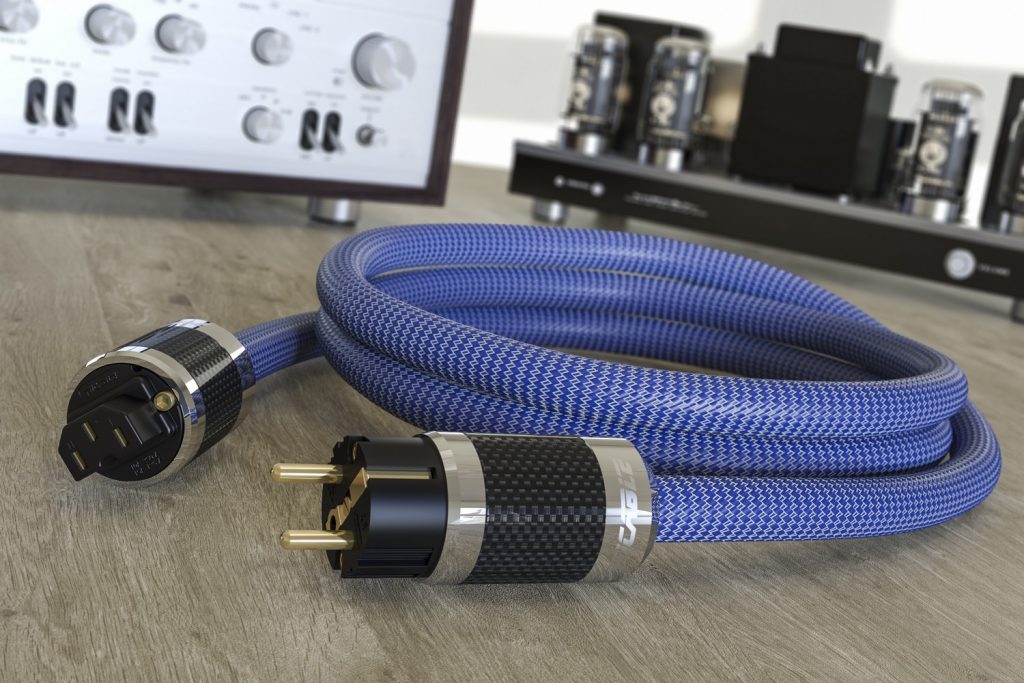
All the devices are now in phase, and you only need to do this procedure again if you want to add new electronics to your audio chain. If you've done everything correctly, you'll notice that all the plugs of the devices will have the phase point that you've marked on the power strip. We would like to emphasise once again how an optimal power supply for your electronics can't fail to contribute effectively to a steady and transparent sound. to this article. To have a solid and effective connection in your Hi-Fi system, instead, we suggest you to have a look at our power cables, handmade in Italy with first quality materials.

Hello, I'm Massimo. I have tried both methods to find the phase of my components but the results are null and void.
Hi Massimo, please send an e-mail to info@ricable.com for the attention of our technical department. Thank you!